
LatestReact SEO 7 min read
React SEO: why SPAs hide from Google, and the fix
A client-side React app sends search engines an empty page and a script. Here is what crawlers see, and how server rendering with Next.js fixes it.
Supacode Editorial ·
Supacode field notes
Practical, opinionated guides for turning an idea into a product people can actually use.
A client-side React app sends search engines an empty page and a script. Here is what crawlers see, and how server rendering with Next.js fixes it.
Supacode Editorial ·
More field notes
Copy the free Looply template, reshape the vertical video feed by chatting, and publish it — plus what a real short-video product still needs.
Ten criteria for comparing AI app builders in 2026: code ownership, stacks, pricing you can predict, versions, publishing, backends and quality.
How to build an app like ChatGPT: the real architecture, what the API costs, and a step-by-step way to ship a working chatbot website with AI.
How to build an AI agent from scratch: the agent loop, tool calling, guardrails and real costs, plus prompts to build a working agent app with AI.

How to build a website with AI, step by step and for free: the prompts to use, a small business checklist, SEO basics and how to publish in one click.
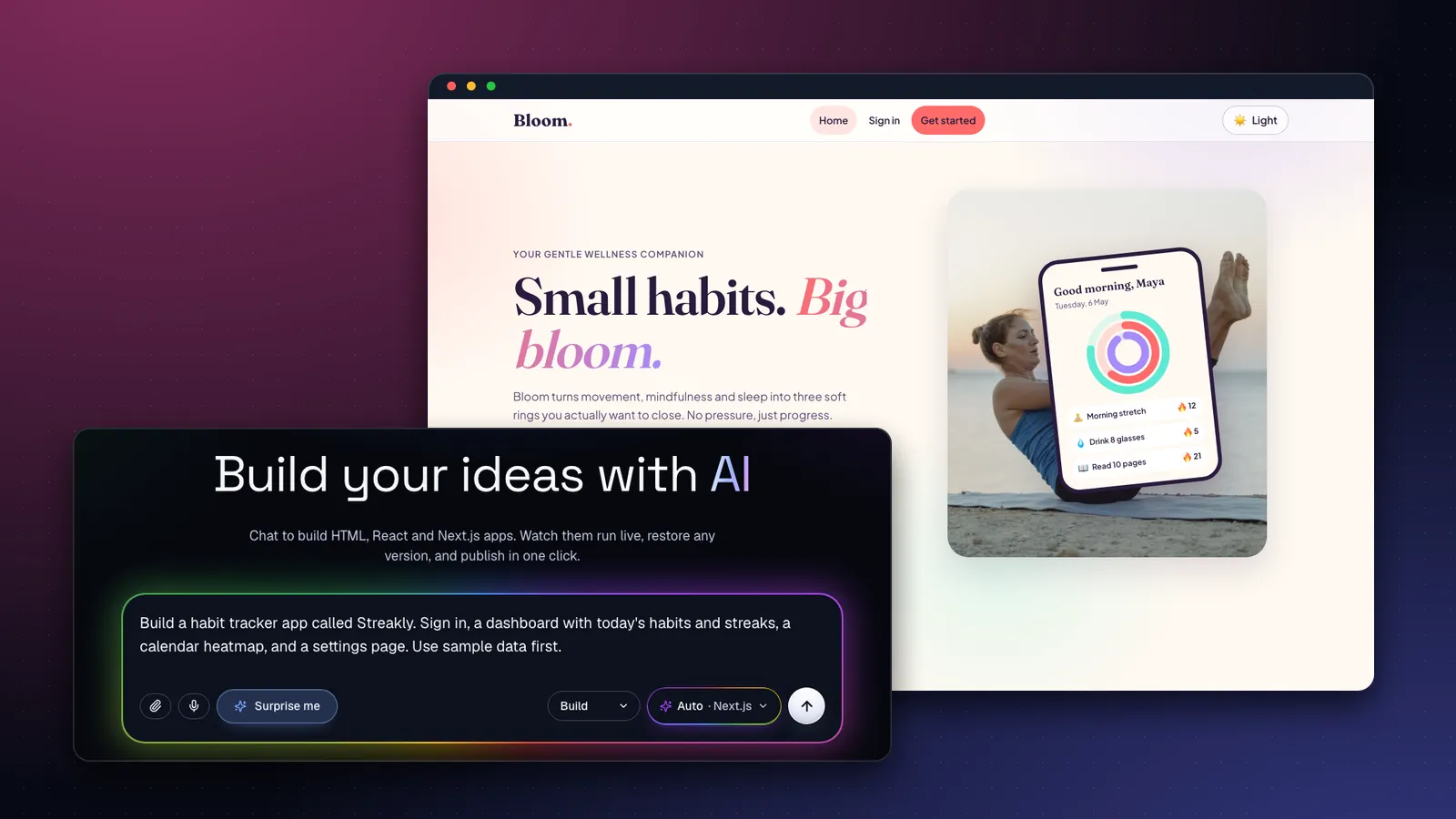
How to build an app without coding, for free, with AI: plan one core flow, build it by chatting, add sign-in and data, and launch a SaaS-ready web app.
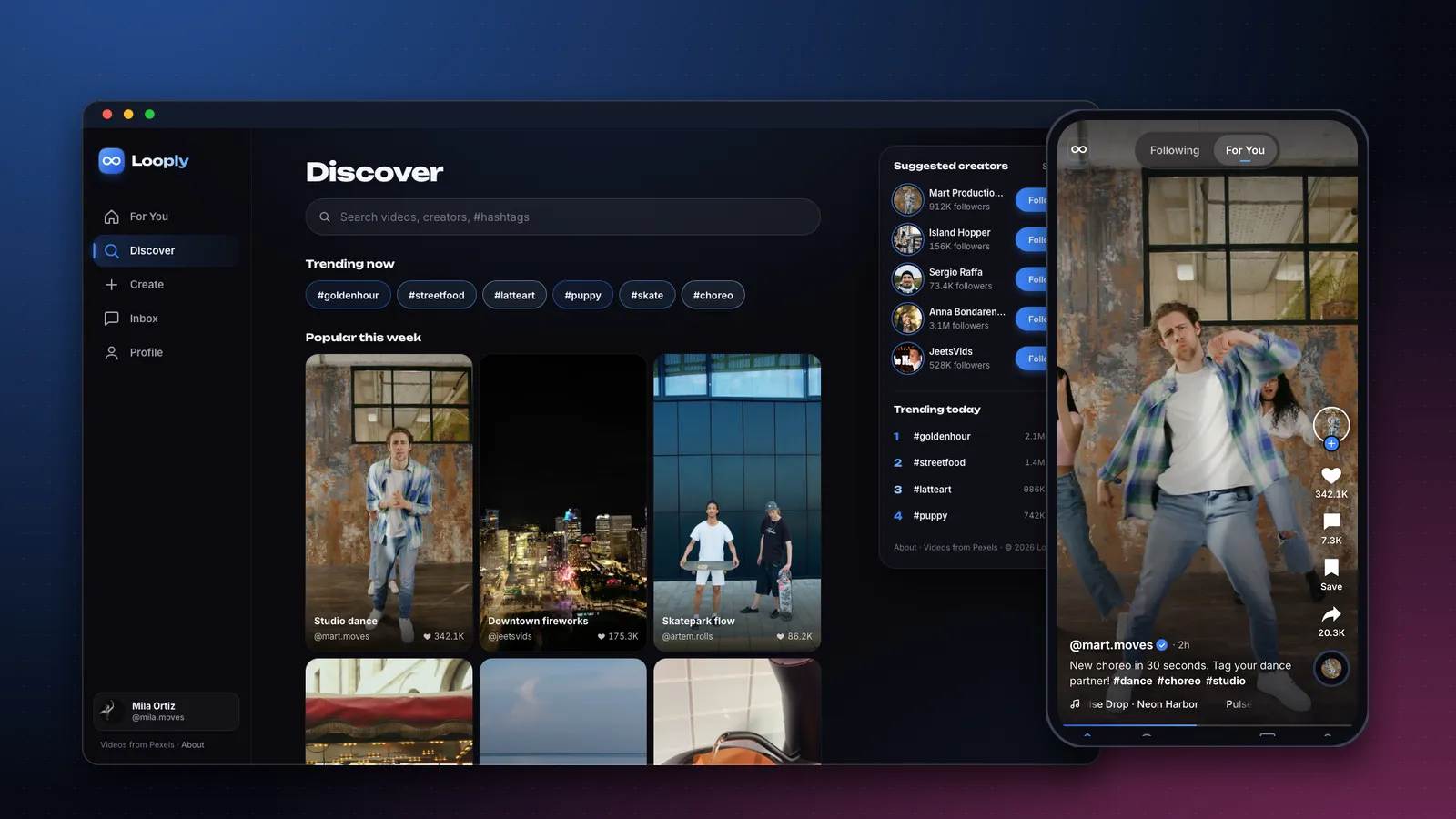
How to make an app like TikTok: the video pipeline, feed ranking, moderation and real costs, plus prompts to build a short-video MVP with AI today.
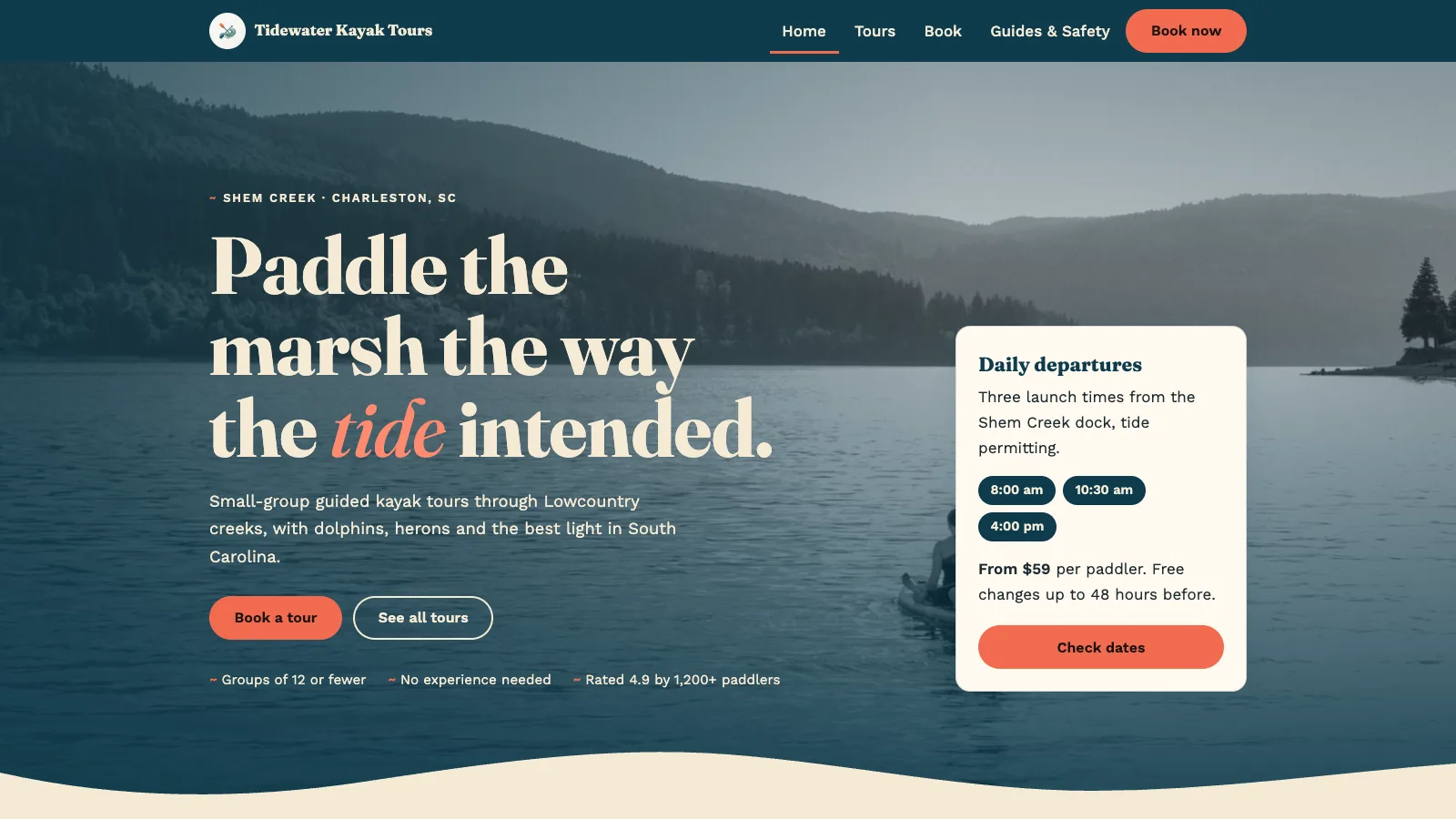
Build a booking or travel website like Airbnb: the real architecture, costs and pitfalls, plus the exact prompts to launch a working version with Supacode.
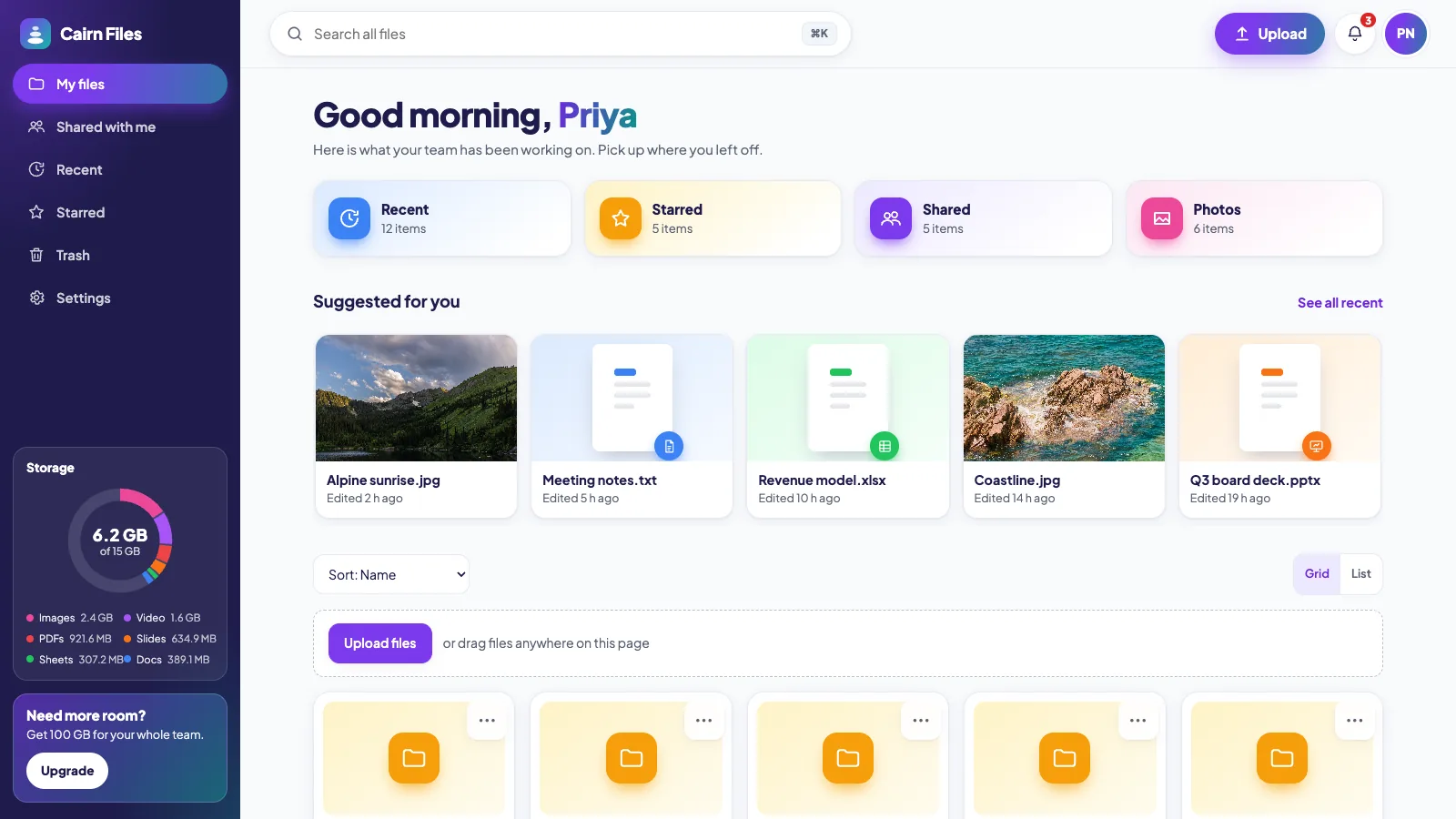
How cloud storage really works: object storage, metadata, sharing and sync. Then build a Dropbox-style app from the free Cairn Files template.

How delivery and ride apps really work: three apps, dispatch, live GPS and split payments. Then build a food ordering app from a free template.

Build an ecommerce website like Amazon: catalog, cart, secure checkout and orders explained, compared with Shopify, plus prompts to build one using AI.
How Tinder-style apps work: profiles, the swipe deck, mutual matches, chat and safety rules. Then build a dating app with AI in Supacode, prompt by prompt.

A six-step AI app workflow: brief the outcome, plan, build one complete path, review in layers, iterate with versions and publish small.

Turn an idea into a working web app with AI: define the outcome, pick HTML, React or Next.js, build one path, iterate with versions and publish.

Stable language URLs, server-rendered metadata, hreflang, sitemaps, feeds and JSON-LD: a Next.js checklist, with Supacode's own blog as the worked example.
A 20-minute accessibility review for AI-generated web apps: keyboard path, labels, contrast, motion and error states, with WCAG 2.2 references.
Six prompt patterns for AI app builders: outcome, constraints, one reviewable change, plan first, show a screenshot, and project memory.

Gemini or Claude for building a web app? A fair, job-by-job comparison, how Supacode uses both, and a one-afternoon test to pick for your own project.

Codex or Claude Code? How the two AI coding agents differ in day-to-day work, where each fits, and a fair test to run on your own repository.
Build the first useful version
Describe what you want to make. Supacode writes the code, shows a live preview and keeps every change as a version you can restore.